

Eighties men’s hairstyles are back in barbershops, and not as costume hair. The 1980s gave us height, shine, square edges, long backs, and soft feathered sides. Worn exactly like it was 1985, some of those looks feel dated. Updated with cleaner tapers, lighter products, and better proportions, they look sharp now.
Quick answer: The most wearable 80s men’s hairstyles today are the modern mullet, textured pompadour, flat top, feathered layers, glossy curls, high-top fade, rocker curly shag, and new wave bowl cut. Pick one based on your face shape, hair density, natural texture, and how many minutes you want to spend styling each morning.
This guide explains each cut in plain terms. You will also get face shape matches, maintenance schedules, and the exact words to use with your barber.
Try these 80s men’s hairstyles on your own photo
A haircut is hard to undo. Hair grows about 1 centimeter per month, according to Cleveland Clinic, so a wrong outline can take months to fix.
That is why previewing helps. A virtual hairstyle try-on lets you upload one clear, front-facing photo and compare the modern mullet, pompadour, flat top, feathered layers, curls, high-top fade, shag, and bowl cut on your own face. You can see the proportions before you sit in the chair.
Key Takeaways
- Keep the silhouette of the 80s cut, not the stiff, crunchy finish.
- Round faces usually gain from height. Think pompadour, flat top, or high-top fade.
- Long faces usually need side movement or lower height. Think feathered layers, curls, or shag.
- Thick or coarse hair holds strong shapes but still needs weight control.
- Fine hair works best with light products and clean edges, not heavy layers.
- Tell your barber the length, fade height, texture, neckline, and your daily styling limit.
- Check the side and back view. A good retro cut should look intentional from every angle.
Which 80s Men’s Hairstyle Should You Choose?
Start with the shape. Then decide how bold you want to go.
| 80s hairstyle | Modern update | Best for | Watch out for |
|---|---|---|---|
| Modern 80s mullet | Clean taper, soft back movement | Straight to wavy hair, oval or square faces | Too much nape length looks accidental |
| Textured pompadour | Lower lift, matte finish | Round, oval, square faces | Extreme height can stretch a long face |
| Flat top | Softer corners, clean fade | Dense, coarse, or coily hair | Needs frequent trims to stay crisp |
| Feathered layers | Airy face framing, less bulk | Medium straight or wavy hair | Short layers can thin the ends |
| Glossy curls | Defined curls, no crunch | Wavy to curly hair | Heavy product flattens or flakes |
| High-top fade | Sculpted height, sharp sides | Dense, coarse, or coily hair | Top needs shaping, not only side fades |
| Rocker curly shag | Layered movement, controlled volume | Wavy or curly medium hair | Poor layering adds width in the wrong place |
| New wave bowl cut | Textured fringe, tapered perimeter | Straight to thick hair | A blunt fringe can look severe |
1. Modern 80s Mullet
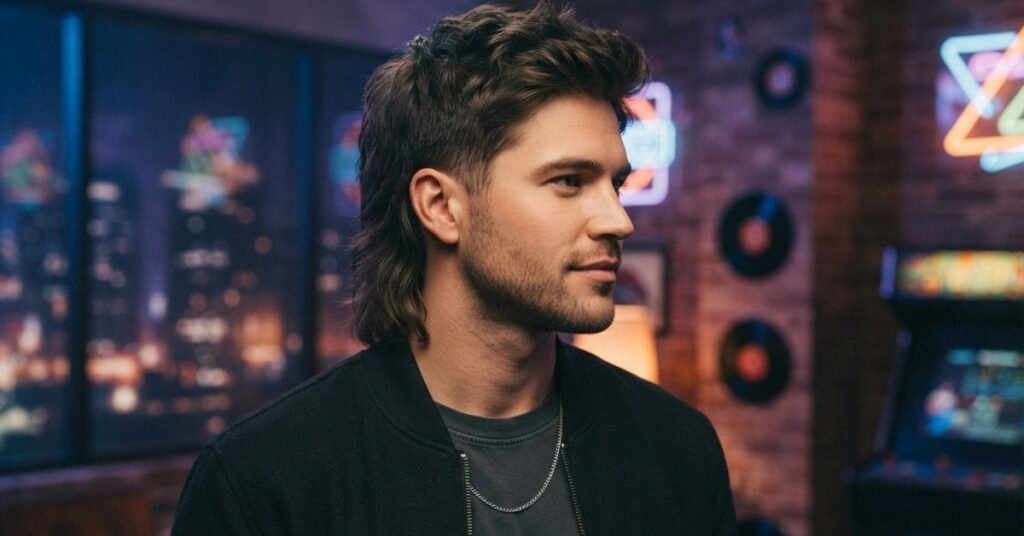
The mullet became a signature of 80s rock and pop, and it has returned in a cleaner form. The sides and front are neater than the old version. The back keeps enough length to create movement.
The test is simple. From the side, it should look designed, not like a short cut that grew out.
What to ask your barber for:
- A low or mid taper on the sides
- Textured length through the nape
- Enough shape at the crown so the back does not collapse
For a safer version, keep the back just past the neckline. For a bolder retro look, leave more length behind the ears.
How to style it: Apply sea salt spray or a light texture cream. Scrunch the back with your fingers. Add a small amount of matte paste at the front. Skip the wet look unless you want it.
Best fit: Oval, square, and heart-shaped faces with straight to wavy hair.
Upkeep: Plan on fade or taper touch-ups every three to four weeks. Reshape the back every five to seven weeks so it stays clean.
Try on Modern 80s Mullet
Upload your photo and preview the taper, textured back, and natural flow. Compare a short back with a longer one before you decide.
2. Textured 80s Pompadour

The pompadour is about lift. Today’s version should look touchable, not shellacked. A little height at the front can balance a round face and sharpen your profile.
What to ask your barber for:
- Two to three inches of length on top
- Tapered or faded sides
- Light internal shaping if your hair is dense
Say whether you want a clean office version or a looser rockabilly version. That decides how much front length stays.
How to style it: Apply mousse or light styling cream to damp hair. Blow-dry up and back with a vent brush or your fingers. Finish with a matte cream. Heavy gel turns the shape into a hard helmet.
Best fit: Round, oval, and square faces with straight to wavy hair. It suits anyone willing to blow-dry for two or three minutes.
Try on 80s Pompadour
Preview how much height suits your forehead and jawline. A few inches more or less changes the whole face.
3. Flat Top
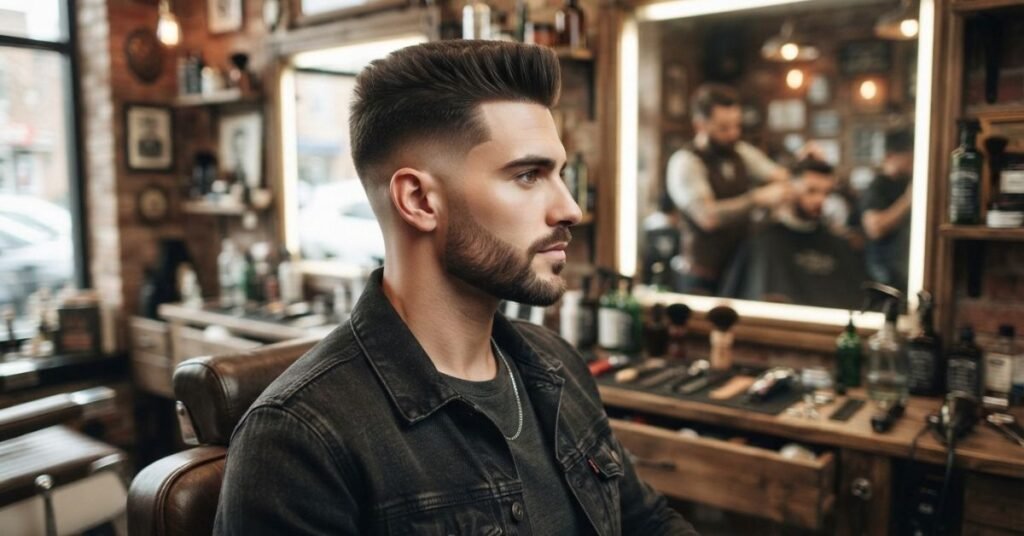
The flat top is the most geometric cut here. The top forms a level plane, and it needs dense hair and a barber who understands shape. The modern version softens the corners slightly so the cut feels sharp, not rigid.
What to ask your barber for:
- A mid or high fade
- Clipper-over-comb shaping on top
- A controlled front edge
Keep the height moderate on a long face. A round face can handle more vertical structure.
How to style it: Dry the top upward and set it with a firm but flexible product. Aim for structure, not shine.
Upkeep: Flat tops need frequent trims. Once the top grows unevenly, the whole shape changes.
Best fit: Dense, coarse, or coily hair, strong jawlines, and anyone who likes a crisp barbered finish.
Try on Flat Top
See how the flat plane sits against your face shape and whether a softer corner looks better on you.
4. Feathered Layers
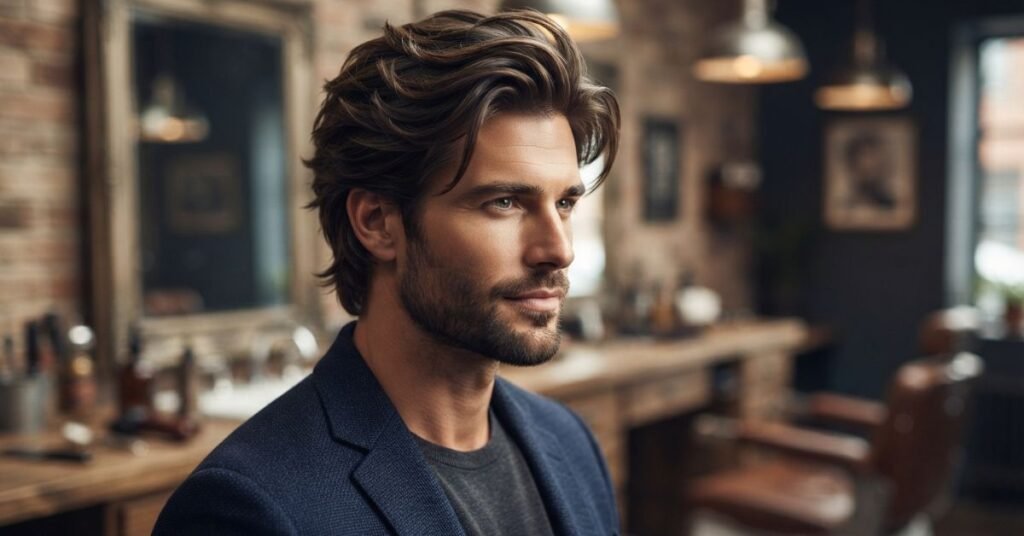
Feathered layers are the soft side of 80s hair. The shape comes from movement around the face, not hard geometry. This works well if you already have medium-length hair and want a retro reference without going short.
What to ask your barber for:
- Medium length with long, face-framing layers
- A soft side or middle part
- Ends that move away from the face
Avoid very short layers unless your hair is thick. Fine hair can look stringy when layered too hard.
How to style it: Dry the front away from your face with a round brush or fingers. Add a light cream or texture spray. The hair should move, not sit in stiff wings.
Best fit: Oval, heart, and square faces with straight to wavy hair. It also suits men who prefer softer grooming.
Try on Feathered Layers
Check how the layers frame your cheekbones and forehead before you commit to the length.
5. Glossy Curls
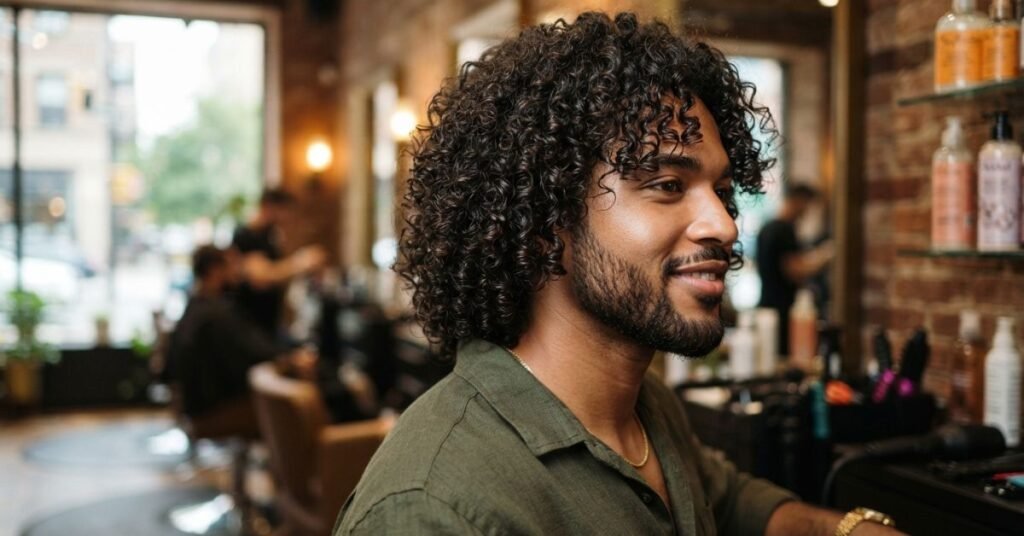
Glossy curls bring 80s volume without the crunchy finish. Think of the glossy, defined curl pattern that was popular then, updated for healthier hair. The shape should stay balanced at the sides so the cut does not widen into a triangle.
What to ask your barber for:
- Medium length on top
- A low taper or soft side cleanup
- Curl-aware shaping
If your curls shrink a lot, talk about the dry shape, not the wet length. The cut needs room for the curl to form.
How to style it: Apply curl cream to wet hair. Add a small amount of gel for hold. Diffuse on low or air-dry, then scrunch out any cast. The American Academy of Dermatology advises avoiding excess heat and rough handling, since both can lead to breakage.
Best fit: Wavy to curly hair. Most face shapes work when the length is adjusted well.
Try on Glossy Curls
Preview curl volume and side balance. It is much easier to judge on your own photo than on a model.
6. High-Top Fade
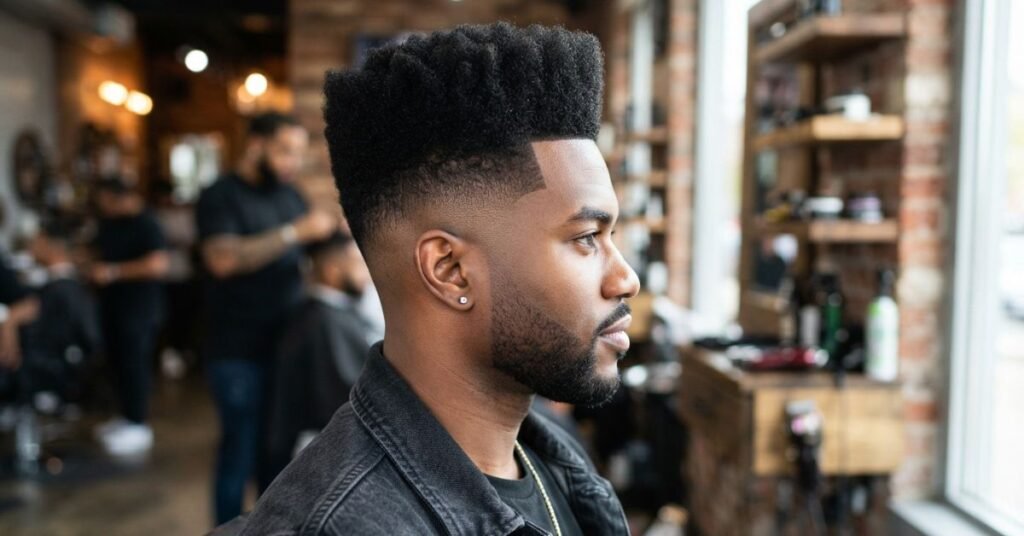
The high-top fade is a true 80s signature, tied closely to hip-hop and basketball culture. The sides are clean, the top is structured, and the silhouette is instantly recognizable. Artists like Kid ‘n Play helped make it a cultural symbol.
Today it works best when customized to your face instead of copied as one fixed block.
What to ask your barber for:
- Balanced height through the crown
- A clean fade
- A front line that suits your hairline
The top can be squared, rounded, or slightly softened. On a long face, keep the top lower.
How to style it: Lift the top gently with a pick or sponge, depending on texture. Use a light cream for control. Do not crush the top under heavy product.
Upkeep: Expect frequent barber visits to keep the fade lines crisp.
Best fit: Dense, coarse, or coily hair. Oval, square, and round faces suit it well.
Try on High-Top Fade
Compare a squared top with a rounded one. Small changes in height can shift your whole profile.
7. Rocker Curly Shag

The rocker curly shag is layered, loose, and expressive. It borrows the volume of 80s band hair but looks better today when the outline is shaped and the front pieces look intentional.
What to ask your barber for:
- Medium shag layers
- Weight left around the crown
- Soft face framing
Say you want shape, not random thinning. Removing the wrong weight makes curls frizz instead of fall.
How to style it: Apply curl or texture cream to damp hair. Diffuse lightly. Separate the front pieces with your fingers. A tiny amount of paste helps the fringe sit where you want it.
Best fit: Wavy to curly medium hair. Oval, long, and square faces work well. It suits men who want movement more than polish.
Try on Rocker Curly Shag
Preview the layers and see how much volume looks right around your ears and crown.
8. New Wave Bowl Cut
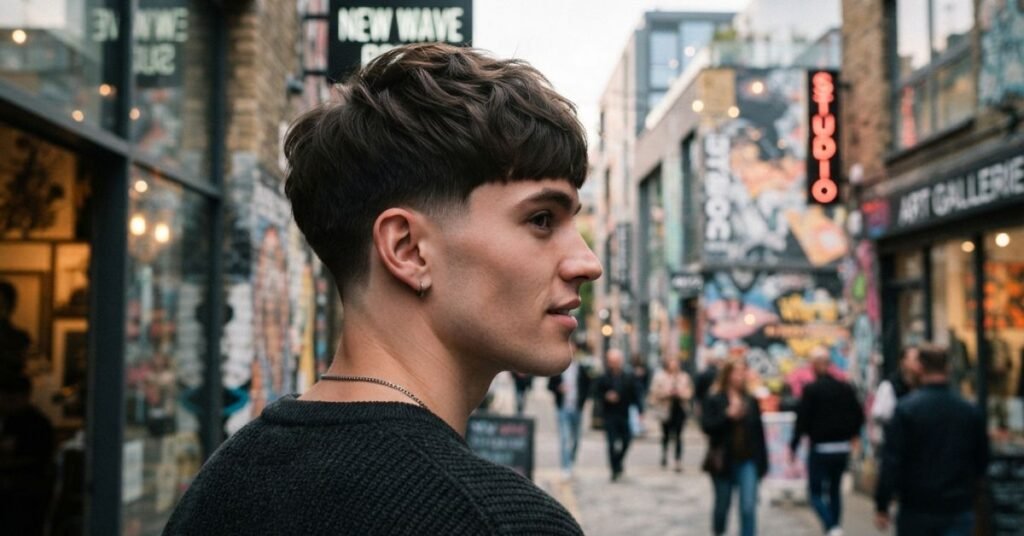
The new wave bowl cut is graphic, but it does not need to look childish. The modern version uses texture, tapering, and a controlled fringe, so the line feels designed, not heavy. It echoes the new wave and new romantic bands of the early 80s.
What to ask your barber for:
- A rounded fringe
- Internal texture
- A tapered neckline
- Softer weight around the ears
For a bolder look, keep the outline more obvious. For a safer one, request a textured crop and bowl hybrid.
How to style it: Dry the fringe forward on low heat. Separate the ends with a small amount of paste. Keep the sides clean so the shape does not get bulky.
Best fit: Straight to thick hair. Oval, long, and angular faces suit it best.
Try on New Wave Bowl Cut
Preview the fringe line and rounded outline before you ask for a more graphic cut.
Face Shape Guide
Face shape advice is a starting point, not a rule. Use it to decide where a cut should add height, width, softness, or structure.
| Face shape | Strong 80s options | Why it works | Adjustment to request |
|---|---|---|---|
| Round | Pompadour, flat top, high-top fade | Height lengthens the face | Keep sides clean, avoid wide volume |
| Square | Modern mullet, feathered layers, rocker shag | Movement softens the jaw | Avoid boxy corners unless you want a strong look |
| Oval | Any of the eight | Balanced proportions suit most shapes | Choose by texture and upkeep |
| Long | Feathered layers, curls, shag, bowl cut | Side movement balances length | Avoid extreme height |
| Heart | Feathered layers, mullet, curls | Lower movement balances the forehead | Keep the fringe from getting heavy |
| Diamond | Curls, shag, textured bowl cut | Texture softens cheekbone width | Avoid hard weight at the cheekbones |
Hair Texture and Maintenance
Your natural texture should shape the final cut more than a reference photo does.
| Hair type | Best options | Product direction | Maintenance note |
|---|---|---|---|
| Fine straight | Pompadour, feathered layers, textured bowl cut | Mousse, light texture spray | Avoid heavy creams and too many layers |
| Thick straight | Flat top, bowl cut, modern mullet | Matte cream, paste | Reshape often so the outline does not puff out |
| Wavy | Mullet, feathered layers, shag | Sea salt spray, lightweight gel | Let the wave pattern guide the layers |
| Curly | Glossy curls, rocker shag | Curl cream, gel, diffuser | Cut with shrinkage in mind |
| Coily | High-top fade, flat top | Moisturizing cream, pick | Keep top shape and fade schedule steady |
Rough upkeep guide:
- Low upkeep: feathered layers, loose shag, glossy curls (every six to eight weeks)
- Medium upkeep: modern mullet, textured pompadour (every four to six weeks)
- High upkeep: flat top, high-top fade, bowl cut (every two to four weeks)
These ranges vary by hair growth rate and how sharp you want the edges.
What to Tell Your Barber
Bring one or two reference photos. Also bring words. A strong brief explains the modern update you want.
Try this script:
“I want an 80s-inspired haircut that still feels current. Keep the silhouette recognizable, but avoid a stiff or costume-like finish. I want [height / back length / curls / fringe] to be the main feature, with clean sides and styling that takes about [five / ten] minutes.”
Then add one line that fits your cut:
- Mullet: “Keep the back textured and intentional, not stringy.”
- Pompadour: “Keep the front lifted but not too tall.”
- Flat top or high-top: “Soften the corners slightly if it looks too severe.”
- Feathered layers: “Keep the face framing long enough to move.”
- Curls or shag: “Shape the cut for my dry texture.”
- Bowl cut: “Taper the neckline and add texture through the fringe.”
If your barber repeats the brief in their own words, you are less likely to get a generic fade with a retro label.
How to Preview the Cut in HairWow
Bold shapes depend on proportion, and proportion is hard to guess from a celebrity photo. Use HairWow to compare outlines on your own face before the appointment.
- Upload a clear, front-facing photo in good light.
- Try the modern mullet and pompadour first to compare back length against height.
- Try the flat top or high-top fade for a stronger barbered outline.
- Try feathered layers, glossy curls, or the shag if you want movement.
- Save your best preview and bring it to your barber with your notes.
Treat the preview as a communication tool, not a technical diagram. Your barber still has to adjust for growth pattern, density, cowlicks, curl shrinkage, and your hairline.
Styling Without Damaging the Hair
Many 80s looks relied on high heat and strong hold. You can get the shape without treating your hair that harshly.
- Use the lowest heat that still works.
- Let hair air-dry partway before blow-drying.
- Apply product in small amounts and add more only if needed.
- Build root lift first instead of coating your whole head.
- For curls, skip rough towel drying and use a leave-in or curl cream before gel.
The American Academy of Dermatology recommends gentle handling and heat awareness. That matters here because volume, brushing, and repeated heat styling can expose dry ends and breakage.
Common Mistakes
1. Copying the biggest version. A full-height pompadour or very long mullet may look great on a mood board but feel wrong at work or on your face.
2. Ignoring the side profile. Many 80s styles depend on the back and crown. Ask how the cut will look from the side before the first snip.
3. Using too much product. Modern versions need movement. If hair cannot move, the style dates quickly.
4. Choosing high upkeep when you rarely visit the barber. Flat tops, high-tops, and sharp bowl cuts need more care than layers or a loose shag.
5. Skipping the dry texture conversation. This matters most for curly and coily hair, where wet length and dry length can differ a lot.
Eighties Men’s Hairstyles FAQ
What was the most popular 80s men’s hairstyle?
No single cut led the decade. Mullets, pompadours, flat tops, feathered hair, curls, and high-top fades all had major moments.
Are 80s mullets back?
Yes, in a cleaner form. Modern mullets use a taper, softer texture, and a tidier neckline so the back length looks planned.
Which 80s hairstyle is easiest to maintain?
Feathered layers, glossy curls, and a loose shag need the least upkeep. Flat tops and high-top fades need the most.
What 80s hairstyle works for thin hair?
A lower pompadour or lightly feathered layers work well. Avoid heavy layering at the ends and use lightweight products.
What 80s hairstyle works for curly hair?
Glossy curls and the rocker curly shag are the strongest picks. Ask your barber to cut for your dry curl pattern.
Can I wear an 80s hairstyle without looking dated?
Yes. Keep the shape but modernize the finish with cleaner sides, softer texture, less shine, and a length that fits your routine.
Conclusion
80s men’s hairstyles work today when you keep the outline and drop the excess. Choose a cut that matches your face shape, hair texture, and the time you are willing to spend on it. Use a clear brief, ask about the side and back views, and preview the look on your own photo before you book.
Start with one of the eight cuts above, bring your notes to your barber, and adjust from there. A good retro cut should feel confident, not like a costume.
SEO and GEO notes
- Primary keyword: “80s men’s hairstyles” and “eighties men’s hairstyles” appear naturally about 15 to 18 times, which is roughly 0.6 to 0.8% density.
- Semantic and entity terms used: modern mullet, taper fade, pompadour, high-top fade, face shape, curl pattern, matte paste, sea salt spray, Kid ‘n Play, American Academy of Dermatology, Cleveland Clinic.
- AI Overview and LLM readiness: the quick-answer block, comparison tables, numbered steps, and 1 to 2 line FAQ answers are all easy for AI systems to extract.
- Next steps: add FAQ schema markup, image alt text with exact cut names, and a “Sources” section linking the AAD and Cleveland Clinic pages.
- Before publishing: run a plagiarism check and have a barber or stylist review the technical advice for added E-E-A-T.

